
The Real Estate Market Is Changing, But Not in Just One Direction
/If you follow the real estate headlines, you could easily come away confused.
One report says buyers have more negotiating power than they have had in years. Another says Miami-Dade sales are rising. Meanwhile, Florida’s condo market, which has faced some very real challenges, is showing signs of recovery.
So, which story is correct?
All of them.
The real estate market is no longer moving as one big national market. What matters increasingly is where you live, what type of property you own, and even the price range in which you are buying or selling.
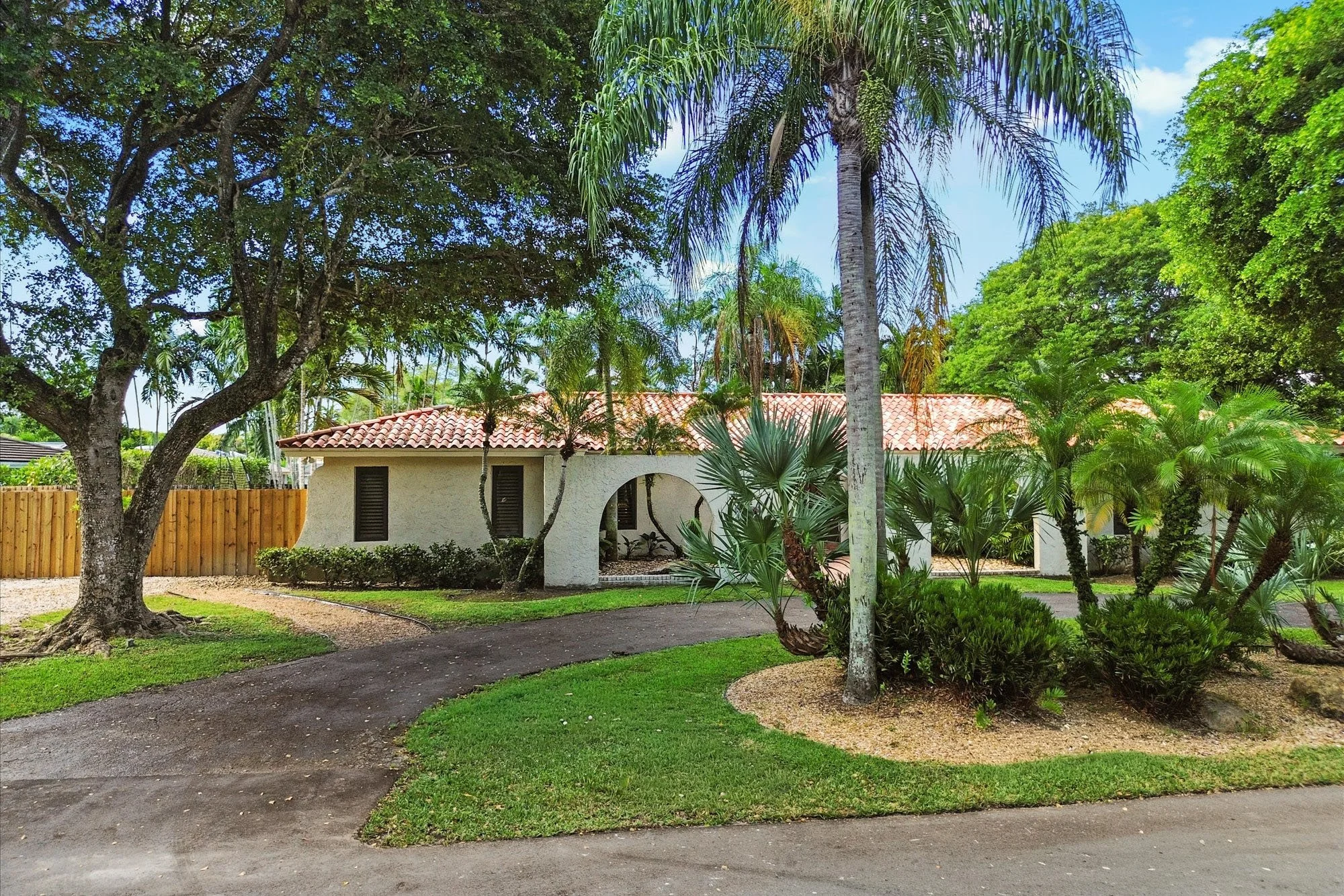
That is especially true in communities like Pinecrest and Palmetto Bay, where I spend much of my time working with buyers and sellers. Even neighboring properties can perform very differently depending on condition, lot, location, updates, insurance considerations and pricing strategy.
Buyers Have More Choices
According to Redfin, there were an estimated 51.3% more home sellers than buyers nationally in July.
That translates to approximately 1.46 million sellers competing for about 967,000 buyers.
Nearly 80% of the major metropolitan areas Redfin analyzed qualified as buyer's markets. And Miami actually showed one of the largest imbalances, with Redfin estimating 154% more sellers than buyers in the Miami metro area.
That certainly gives buyers more leverage. They may have more homes to choose from, more opportunity to negotiate price, and greater ability to ask for concessions, repairs or favorable contract terms.
But there is an important distinction:
More negotiating power does not necessarily mean collapsing home values.
I see that distinction regularly in Pinecrest and Palmetto Bay. A buyer may have more choices overall, yet there can still be very limited competition for a particular style of home, school-zone location, lot size or price range.
Miami-Dade Sales Are Actually Increasing
While buyers may have more choices, people are still buying.
Miami-Dade recorded 1,935 home sales in July, an 8.6% increase from July 2025 and the 11th consecutive month of year-over-year sales growth.
Single-family sales increased 5.6%.
Condo sales increased 11.4%.
And sales of homes priced at $1 million or more jumped 15.5%.
Those aren't the numbers you would normally associate with a real estate market that has stopped functioning.
The Miami market has certainly changed from the frenzy we experienced a few years ago. Buyers have become more selective, properties are taking longer to sell in many segments, and sellers must be realistic about pricing.
But demand has not disappeared.
In Pinecrest and Palmetto Bay, this is where hyperlocal knowledge becomes particularly important. I look closely at competing inventory, recent sales, property condition, lot characteristics and the differences buyers are actually paying for from one home to another. A broad Miami-Dade statistic can tell us the direction of the market, but it cannot tell us what a specific home should sell for.
Even Florida Condos Are Showing Improvement
Perhaps the most surprising recent numbers come from Florida's condo and townhouse market.
Condo and townhouse sales statewide increased 11% year-over-year in July, marking the 11th consecutive month of annual gains.
And the improvement wasn't confined to inexpensive condos.
Sales below $500,000 increased nearly 8%.
Sales between $500,000 and $1 million increased 24%.
Sales of $1 million and above increased more than 31%.
This is especially notable considering the challenges Florida condos have faced from rising insurance costs, reserve requirements, assessments and financing restrictions.
Those problems haven't disappeared. But buyers, sellers and condominium associations appear to be adjusting to the new environment.
So, Is It a Buyer's Market or a Seller's Market?
This is where broad headlines become dangerous.
There really isn't one Miami real estate market.
And there certainly isn't one Pinecrest or Palmetto Bay market.
A beautifully renovated home in Pinecrest with limited competing inventory may behave very differently from an overpriced home a few blocks away.
A Palmetto Bay home with the right combination of condition, location and price may attract immediate attention, while another property in the same neighborhood can sit because buyers perceive better value elsewhere.
A newer luxury condominium may have completely different market dynamics than an older building facing substantial assessments.
And a $900,000 home is competing for a different buyer than a $4 million home.
Today's market gives buyers considerably more choice, but good properties that are correctly priced can still sell very well.
For sellers, this is no longer a market where simply putting a property on the MLS and waiting is a strategy. Pricing, preparation, presentation and marketing matter.
For buyers, increased inventory creates opportunity. But the best properties still require knowing when to negotiate aggressively and when pushing too far could cost you the home.
Having worked extensively in Pinecrest and Palmetto Bay, I can tell you that today's market rewards precision. The value is not in knowing that Miami is a buyer's market or a seller's market. The value is in understanding which homes, at which prices, in which neighborhoods, are behaving like each.
The market isn't necessarily going up or down.
It's becoming more selective.
And in a selective market, local knowledge matters more than the national headline.
