
Miami Preconstruction Condos: The Negotiating Advantage
/Preconstruction Real Estate: I've Been on Both Sides of the Negotiating Table
Understanding how developers think, build, price, and negotiate gives my buyers an advantage most agents cannot offer.
Buying a preconstruction condominium is fundamentally different from purchasing an existing home. Yet many buyers approach the process with the same expectations, often relying on agents whose experience is largely confined to traditional residential transactions.
That can be an expensive mistake.
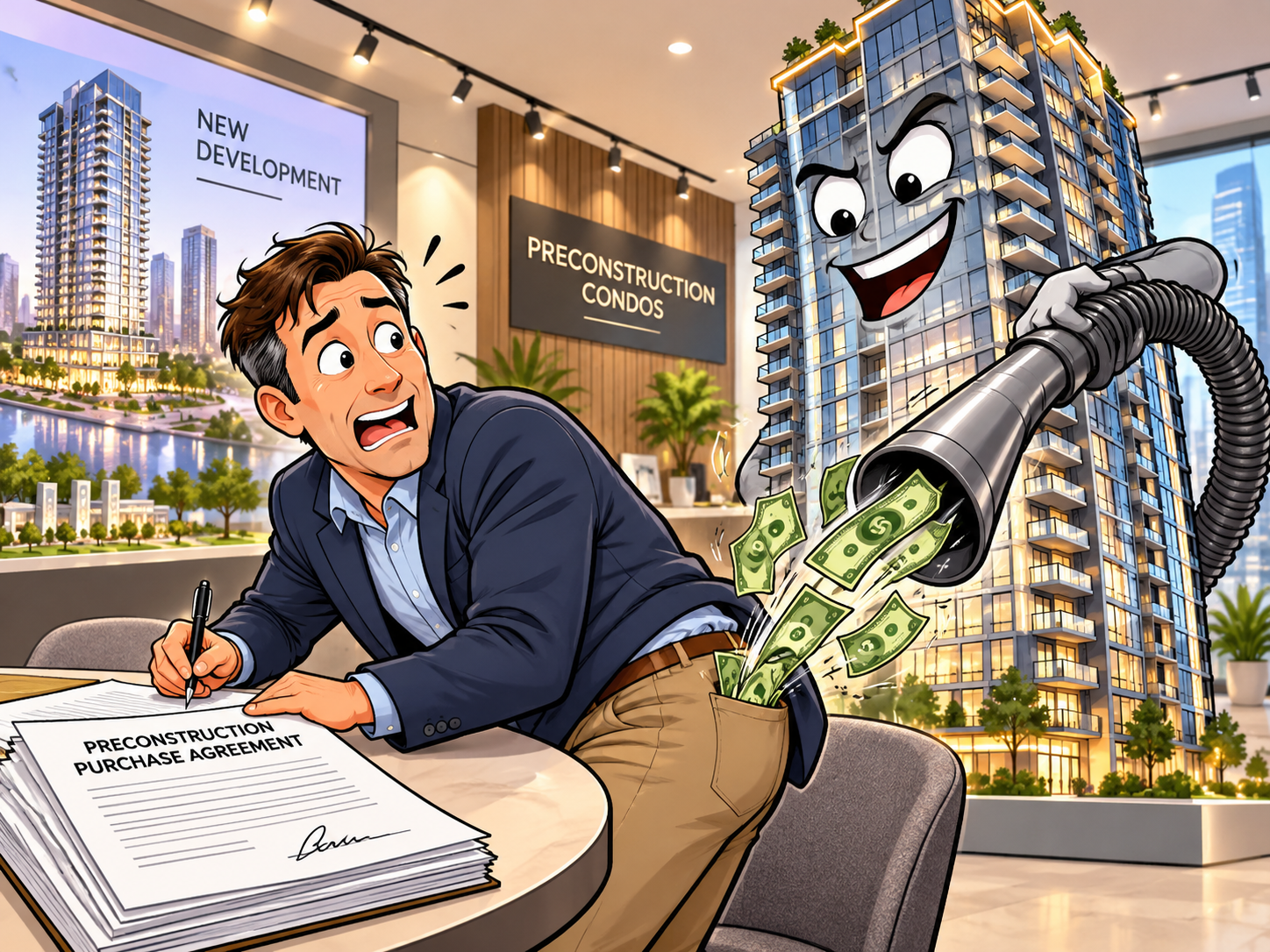
Most real estate agents approach preconstruction from one of two perspectives. In-house sales agents represent the developer, presenting the project, explaining its features, and guiding buyers through a carefully structured sales process. Outside buyer's agents represent their customers, but their understanding of a development may come largely from sales presentations, industry relationships, and secondhand information. Some also rely too heavily on attorneys to address issues that require real estate expertise, not just legal analysis.
Both roles have value. But understanding only one side of the transaction can leave important opportunities unexplored.
There's a third perspective, one that relatively few agents have experienced: working inside a developer's organization, understanding how sales strategies are formulated, how offers are evaluated, what motivates concessions, and who ultimately makes the decisions.
I've worked from that rare perspective.
And it's given me something particularly valuable when representing buyers: an understanding of what happens on the other side of the negotiating table.
I understand which concessions may be possible, what motivates a developer to consider them, and how to structure an offer that has the best chance of succeeding.
For my buyers, that can translate into lower purchase prices, reduced closing costs, more favorable deposit requirements, and valuable upgrades.
Learning the Business from the Inside
One of the most formative experiences of my real estate career began when I was brought in as a consultant to Unilog Group, a first-time developer facing a serious challenge.
Its relationship with the in-house brokerage had deteriorated, leaving the sales operation in need of leadership, structure, and a renewed sense of direction.
My assignment went well beyond selling Unilog's condominiums. I was brought in to help bridge that fractured relationship and get the sales operation back on track.
The consulting engagement soon evolved into an appointment as Director of Sales.
I developed a comprehensive sales manual, established a more disciplined approach to the sales process, and worked closely with the two remaining salespeople to rebuild their confidence and effectiveness. Together, we managed to quadruple the sales velocity.
But the experience taught me something far more valuable than how to manage a sales team.
I learned to see preconstruction through a developer's eyes.
I gained firsthand insight into the pressures developers face, the importance of sales velocity, the relationship between pricing and market acceptance, and the internal considerations that influence whether an offer is accepted, rejected, or countered.
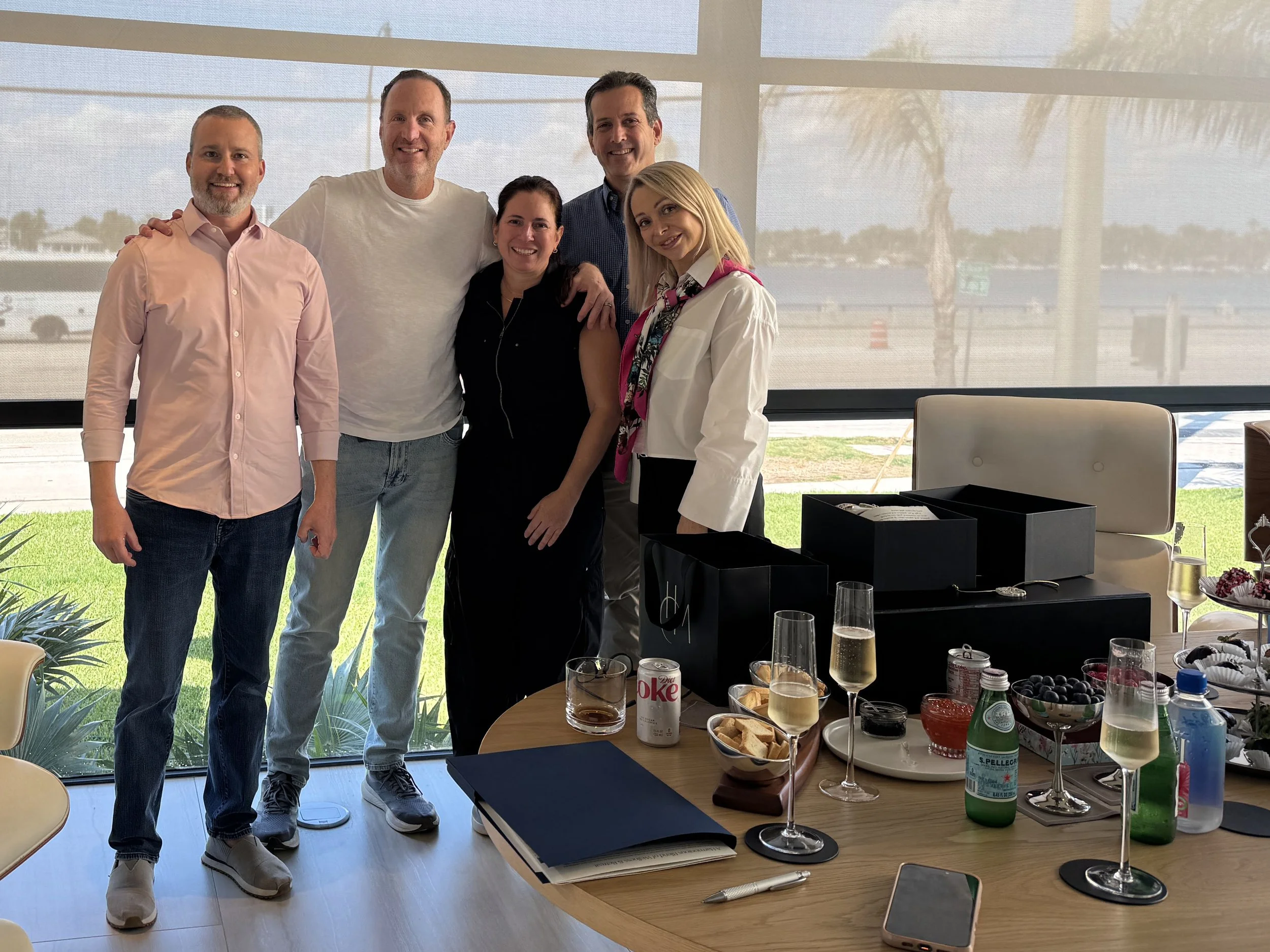
These are dynamics that don't appear in a sales brochure and are rarely apparent to an agent representing a buyer.
Most importantly, I came to understand that the strongest negotiation often begins long before anyone discusses price.
It begins with understanding what matters to the other side, where flexibility exists, and how to structure an offer that addresses the developer's priorities while advancing the buyer's interests.
Recognition at The Residences at 1428 Brickell
My involvement with The Residences at 1428 Brickell began with representing a discerning buyer in a complex preconstruction transaction.
Developed by Ytech, The Residences at 1428 Brickell is among Miami's most ambitious ultra-luxury residential projects, distinguished by an unusually meticulous approach to design, engineering, materials, and construction.
The transaction involved multiple rounds of negotiation. Rather than simply accepting the developer's initial terms, I worked to achieve an agreement that better addressed my buyer's priorities.
We successfully negotiated changes to the deposit requirements and secured upgrades to the residence.
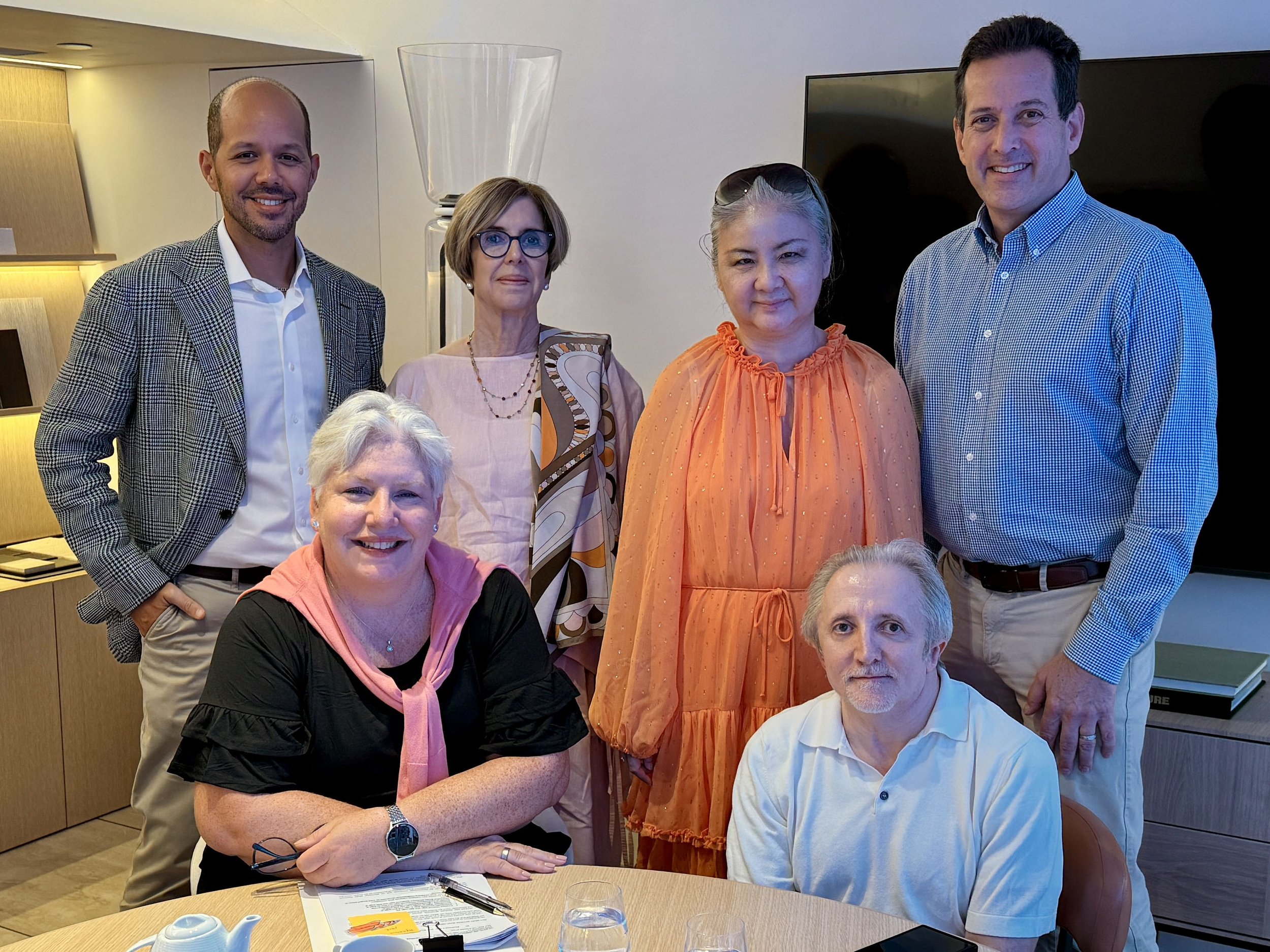
These weren't merely theoretical opportunities or concessions I hoped might be available. They were tangible improvements achieved through persistence, preparation, and an understanding of what the developer could reasonably accommodate.
The experience reinforced something I've long believed: the best preconstruction negotiations are rarely settled with a single offer and counteroffer.
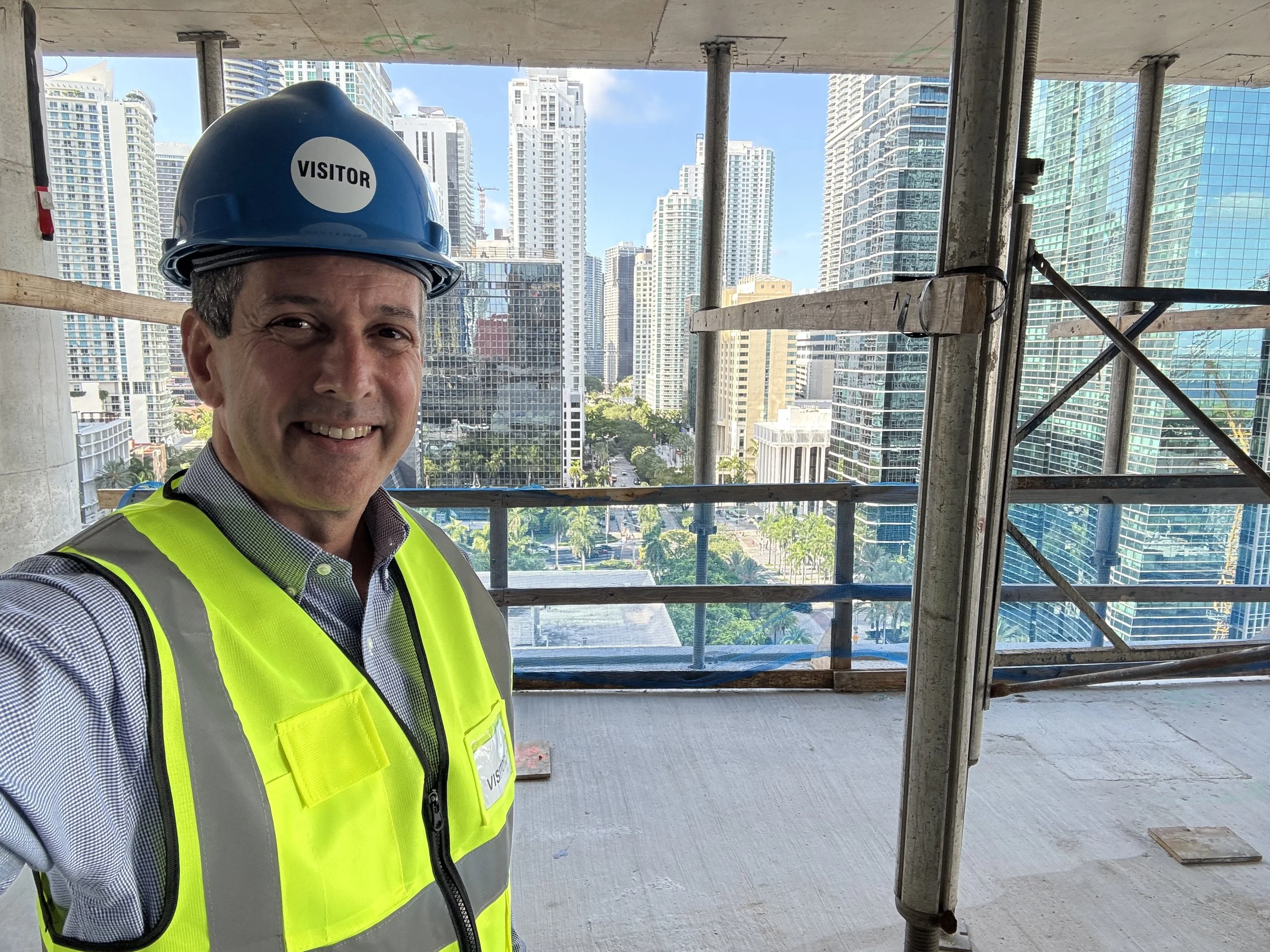
As I became more involved with the project, I made it a point to look beyond the polished presentations and impressive renderings.
I wanted to understand the thinking behind the building. How were construction decisions made? What distinguished Ytech's development philosophy from that of its competitors? Why were certain materials selected? And, perhaps most importantly, how would those decisions translate into lasting value for buyers?
My depth of engagement and understanding was recognized by the Ytech team and the project's brokerage, and I was honored to be designated a Super Ambassador for The Residences at 1428 Brickell.
That recognition subsequently led to an extraordinary opportunity.
Ytech invited me to join a select group of VIP brokers for an intensive three-day experience in Milan, Italy, designed to take us behind the scenes and demonstrate what its founder and CEO, Yamal Yidios, really means when he talks about quality.
This was no ordinary developer-sponsored trip.
Our experience began at the Bulgari Hotel, where Yamal personally explained his philosophy of development and the uncompromising standards he expects from everyone involved in creating his buildings.
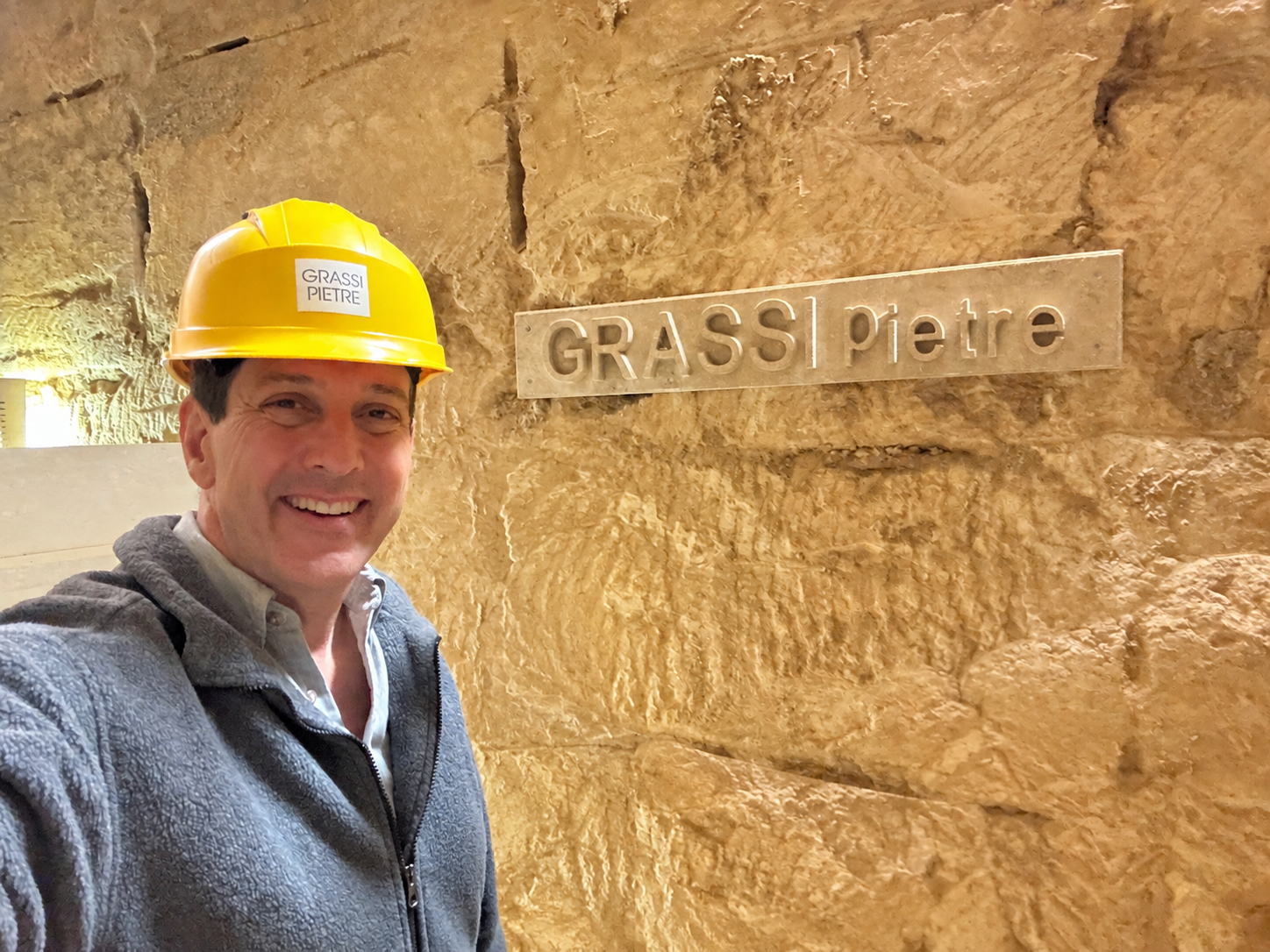
Over the following days, we visited the new headquarters of ACPV Architects, a prestigious international architectural firm with which Yamal has maintained a relationship spanning more than two decades. We also toured the manufacturing operations of Arclinea, one of Italy's premier luxury kitchen manufacturers, where we met directly with its CEO, Angelo Monaco.
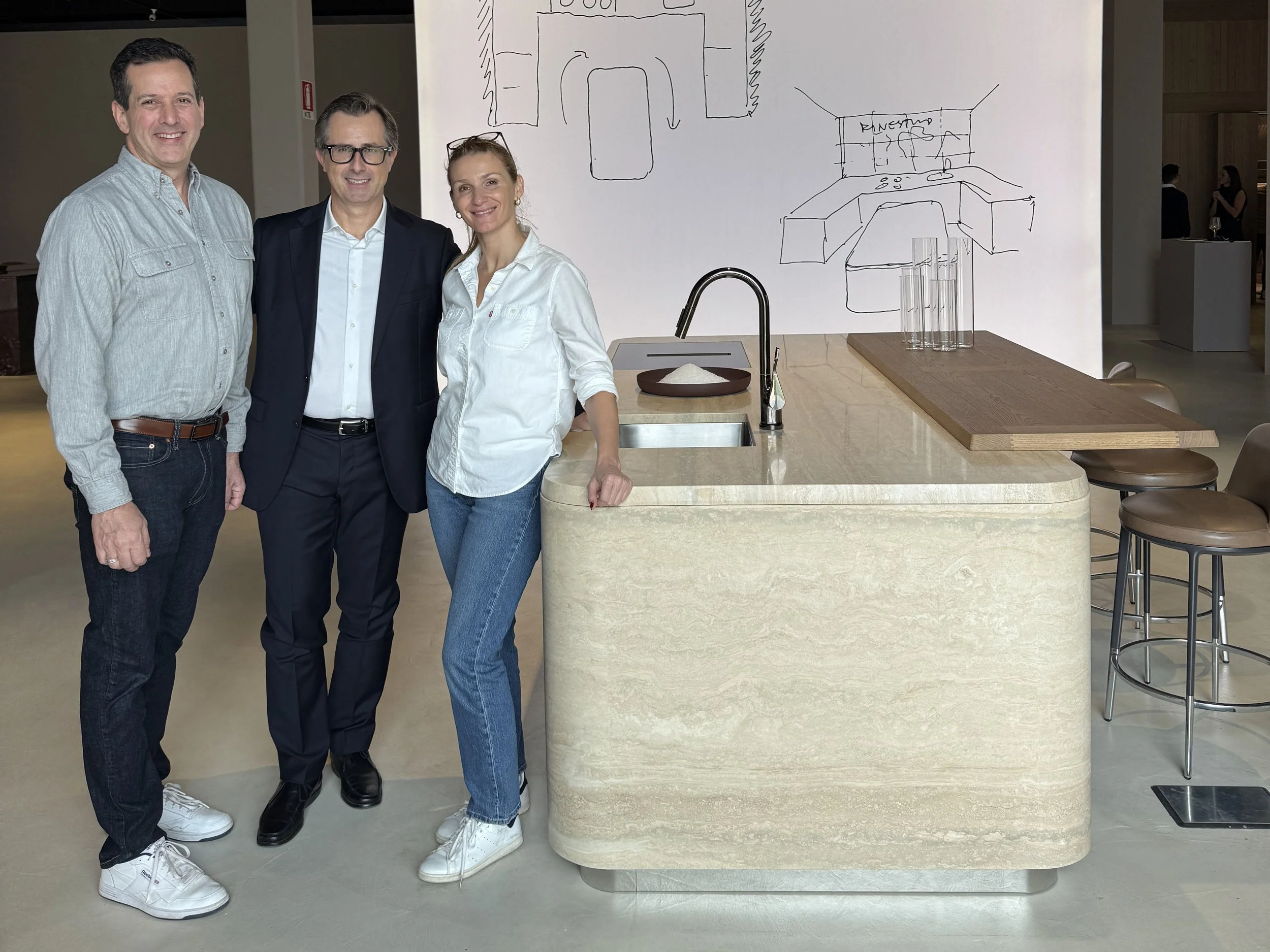
Hal meets with Arclinea CEO, Angelo Monaco
There, we learned how extraordinary attention to engineering, craftsmanship, and even the matching of natural wood veneers contributes to the finished product.
One detail particularly impressed me. At Ytech's new 75 Broadway development, 33 residential floors share the same basic layouts. Yet Arclinea doesn't simply manufacture identical kitchen components in bulk. Each kitchen is treated as an individual project, with natural wood veneers selected and matched to create continuity in the grain and character of the cabinetry.
The floor plans may be identical. The craftsmanship is individual.
What impressed me wasn't simply the caliber of the companies involved. It was the depth of Yamal's personal relationships with the people responsible for executing his vision, and his insistence that quality be built into every decision rather than inspected into the finished product.
I witnessed a side of luxury development that buyers rarely see and most agents never have the opportunity to explore.
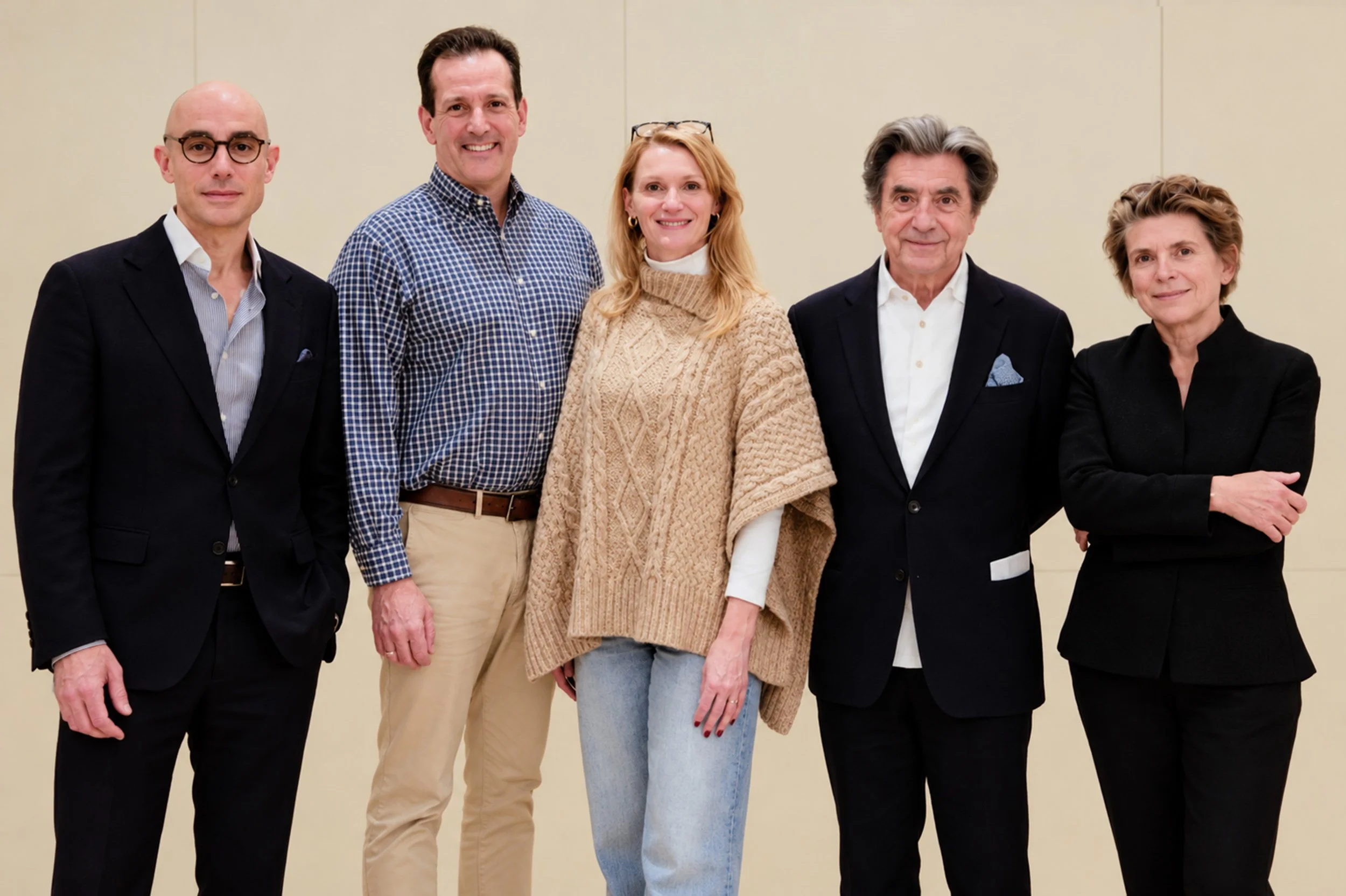
[l-R] Ytech CEO Yamal Yidios, Hal Feldman (and wife Ekaterina), AVPV’s Antonio Citterio AND Patricia Viel
The experience reinforced something I've come to believe strongly throughout my career:
The better you understand how a developer thinks, operates, and makes decisions, the better equipped you are to protect a buyer's interests and negotiate on their behalf.
The Art of Negotiating Preconstruction
One of the biggest misconceptions about buying preconstruction is that the developer sets the price and the buyer simply decides whether to accept it.
In reality, the advertised price is only one component of a much more complex financial transaction.
Developers have business plans, financing obligations, construction schedules, sales targets, and investors whose expectations must be considered. Understanding those pressures, and recognizing which ones create negotiating opportunities, can make a substantial difference in the terms a buyer ultimately receives.
Having worked on the developer's side of the table, I understand that not every concession carries the same cost, and not every offer is evaluated solely on its purchase price.
Over the years, I've successfully negotiated several types of concessions that can make a meaningful difference for my buyers.
More Favorable Deposit Schedules
Preconstruction purchases typically require a series of deposits over the development and construction period. Depending on the project, buyers may be required to commit a substantial percentage of the purchase price long before the residence is completed.
I've negotiated more comfortable deposit schedules, including reductions in the total amount buyers are required to place on deposit before closing.
This isn't simply a matter of convenience. Keeping more capital available can preserve liquidity, provide greater financial flexibility, and potentially allow buyers to continue earning returns on funds that would otherwise be tied up for years.
Reducing Developer Closing Fees
Many preconstruction contracts include a developer fee, often approximately 1.75% of the purchase price, intended to cover certain closing-related expenses.
Buyers sometimes assume this fee is fixed.
It isn't always.
I've negotiated reductions in these charges, creating savings that can be particularly significant on multimillion-dollar transactions.
For perspective, a 1.75% fee on a $3 million residence represents $52,500. Even a partial reduction can put meaningful money back in a buyer's pocket.
Negotiating the Purchase Price
Of course, the purchase price itself remains an important negotiating opportunity.
But successful price negotiations require more than simply submitting a lower offer.
A developer may be particularly motivated to achieve certain sales milestones, maintain pricing consistency across comparable residences, or secure a transaction with a buyer whose financial position and deposit commitments are attractive.
Understanding those priorities helps me determine when a price reduction may be achievable and how best to present an offer.
Sometimes a developer will have greater flexibility on price. Other times, comparable economic value may be available through concessions that don't directly affect the published purchase price.
Knowing the difference is part of the negotiation.
Upgrades, Customization, and Change Orders
Another frequently overlooked opportunity involves the residence itself.
Buyers purchasing early enough in the construction process may have opportunities to customize finishes, modify certain design elements, or request upgrades.
I've negotiated upgrades and change orders that allow buyers to tailor their residences to their preferences.
These negotiations require an understanding of construction schedules, design approvals, material procurement, and the practical limitations of modifying a building that may already be under construction.
Timing is especially important. A change that can be accommodated relatively easily during the design phase may become prohibitively expensive, or impossible, once construction has progressed.
The objective is not simply to ask for more. It's to understand what the developer can realistically deliver and negotiate those opportunities before they disappear.
It's About the Entire Deal
These four areas illustrate why preconstruction negotiations require a different approach from traditional residential real estate.
The best result isn't always the lowest advertised price.
It's the combination of purchase price, deposit obligations, closing costs, contractual protections, and the finished residence that determines the overall value of the transaction.
And that's where my experience working from both sides of the table becomes particularly valuable.
I understand the buyer's objectives. But I also understand the developer's priorities, the pressures influencing its decisions, and how to structure requests that have a realistic chance of being accepted.
My goal isn't simply to negotiate harder. It's to negotiate smarter.
Who Is Really Looking Out for the Buyer?
Walk into almost any luxury preconstruction sales gallery in Miami, and you'll likely be impressed.
Beautiful architectural renderings, sophisticated presentations, meticulously designed model kitchens and bathrooms, and knowledgeable sales professionals who can explain virtually every detail of the project.
But there's something every buyer needs to understand.
The sales team works for the developer.
That's not a criticism. It's simply the nature of the relationship. Their responsibility is to market the development, generate sales, and negotiate transactions consistent with the developer's objectives.
And while an experienced in-house salesperson can be an excellent source of information, that person is not necessarily looking at the transaction from the buyer's perspective.
This is where independent representation becomes important.
An Attorney Is Essential, But Is That Enough?
Preconstruction contracts are complex legal documents, often drafted to protect the developer's interests and preserve flexibility throughout the construction process.
I strongly encourage my buyers to retain an experienced Florida real estate attorney who understands condominium development contracts.
A good attorney can identify legal risks, explain contractual obligations, review cancellation provisions, examine deposit protections, and help negotiate appropriate legal safeguards.
But there's a difference between negotiating legal protections and negotiating the economics of a real estate transaction.
An attorney may be exceptionally skilled at reviewing contractual language without necessarily knowing whether a particular residence is competitively priced, how its location within the building affects its value, or whether the developer might be receptive to a different deposit schedule or closing-cost arrangement.
Those are real estate questions, and they're precisely the kinds of questions an experienced buyer's representative should take responsibility for answering. They shouldn't be left entirely to the attorney or, worse, overlooked altogether.
The strongest approach is collaborative: a knowledgeable buyer's agent working alongside an experienced real estate attorney, each contributing a different set of skills.
What Buyers Don't Know to Ask
Over the years, I've learned that some of the most important questions in a preconstruction transaction are the ones buyers never think to ask.
And those questions can't always be answered by consulting an AI tool like ChatGPT or Claude.
AI can provide useful research, comparisons, and general guidance. But it cannot independently observe a private negotiation, understand the unspoken priorities of everyone in the room, or know how a particular developer will respond to a carefully structured proposal.
Every development is unique. Experience and professional judgment are what allow a skilled agent to read the room and recognize opportunities that aren't obvious from the available information.
For example, how much flexibility does the developer have in its deposit requirements? Are there opportunities to reduce certain closing expenses? What modifications can still be made to the residence, and when will those opportunities disappear?
Equally important, what is actually being promised?
There's a meaningful difference between a beautiful rendering, a sales presentation, and the specifications and obligations contained in the purchase contract.
The brand of kitchen cabinetry, the type of flooring, the quality of windows, and the promised amenities all deserve careful examination. So do the provisions allowing substitutions or modifications during construction.
With many developers, you must look beyond the promises and understand what will likely be delivered.
My recent experience with Ytech in Milan reinforced how seriously the company approaches lasting quality and the importance of its reputation. I also learned just how much happens behind the scenes before a buyer ever sees a finished residence.
Watching how architects and manufacturers approach design, material selection, and construction quality gave me a deeper appreciation for the questions buyers should be asking.
Not every developer operates like Ytech. And not every expensive condominium delivers the same level of quality.
One practice worth understanding is value engineering, the process of finding ways to reduce costs or improve efficiency while attempting to preserve a project's intended function. Properly applied, it can be beneficial. But when cost savings come at the expense of originally promised materials, craftsmanship, or performance, the buyer may ultimately receive a different product from the one they expected.
That's why understanding the people, processes, and commitments behind a project is just as important as admiring the finished renderings.
Access Is Valuable. Understanding Is More Valuable.
In Miami's luxury preconstruction market, many agents promote their relationships with developers and their access to desirable projects.
Those relationships can certainly be helpful. I value mine, too.
But access alone doesn't tell a buyer whether a particular residence represents good value, whether the contract terms are reasonable, or whether additional concessions might be available.
What matters is knowing how to use those relationships, supported by an understanding of the developer's business, to advance the buyer's interests.
My experience has given me an unusual perspective. I've worked inside a developer's sales operation, helped rebuild a struggling sales organization, and negotiated transactions from the buyer's side. My work with Ytech has further deepened that knowledge through direct exposure to the people and processes behind ultra-luxury development.
Those experiences have taught me that the most effective representation isn't about being the loudest person in the negotiation or having the most impressive connections.
It's about asking better questions, recognizing opportunities, and understanding how to turn knowledge into meaningful advantages for the buyer.
Because in preconstruction, what you don't know can cost you just as much as what you pay.
The MiamiHal Advantage: Experience That Changes the Negotiation
After nearly two decades selling real estate in Miami, I've learned that experience matters. But the kind of experience matters even more.
Preconstruction is a specialty with its own economics, contractual complexities, personalities, and negotiating dynamics. Being an excellent residential agent doesn't automatically make someone an effective preconstruction negotiator.
I've had the opportunity to understand this business from perspectives that rarely intersect. I've worked inside a developer's organization, negotiated on behalf of buyers, and developed relationships with the people who make the decisions.
That combination changes how I approach every transaction.

I don't simply ask a developer to lower the price. I work to understand what motivates the developer, where flexibility exists, and how to structure an agreement that advances my buyer's interests.
Sometimes that means negotiating a better purchase price. Other times, it means reducing closing costs, preserving liquidity through a more favorable deposit schedule, or securing upgrades that enhance the finished residence.
And sometimes the most valuable thing I can do is recognize a problem or opportunity before my buyer even knows to ask about it.
No agent can guarantee a particular outcome. But I believe buyers making multimillion-dollar commitments deserve someone who understands the business behind the building, not simply the presentation in the sales gallery.
My homework is your competitive advantage.
If you're considering a preconstruction condominium in Miami, let's talk before you visit a sales gallery or register with a developer.
The right representation can make a meaningful difference in what you buy, what you pay, and the terms you negotiate.
